
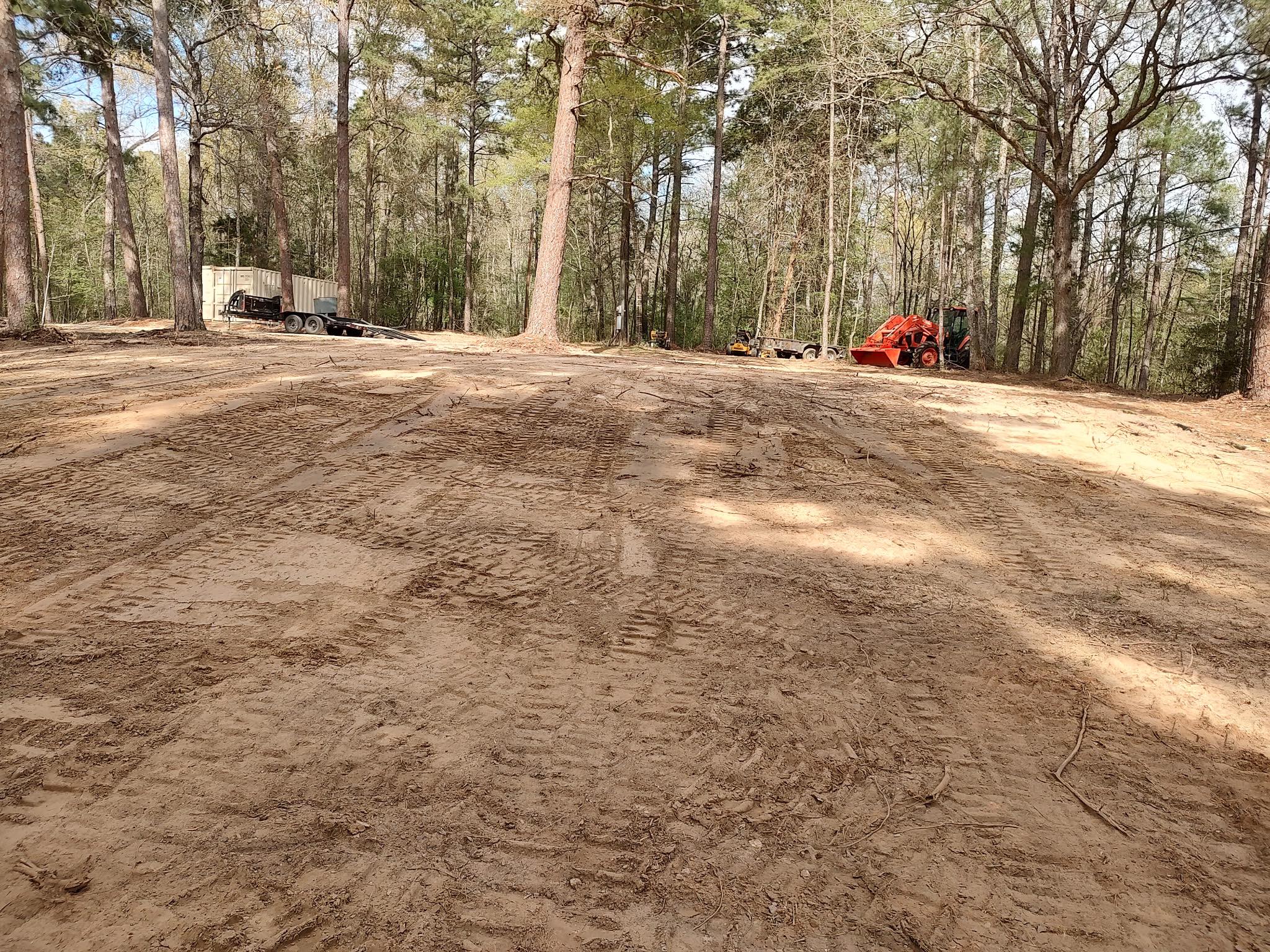
Land clearing is the process of removing trees, brush, stumps, and debris from a piece of property to make it usable for construction, farming, or other development. Most property owners in East Texas have three core questions before they start: What method is right for my land? What will it cost? And how long will it take? This guide answers all three — plus the permit questions most contractors won’t bring up until it’s too late.
Did You Know: East Texas property — especially in Henderson County — tends to carry dense cedar, hardwood scrub, and invasive species that other regions rarely deal with. The method you choose matters more here than almost anywhere else in Texas.
What Is Land Clearing, and Why Does the Method Matter?
The method your contractor uses determines more than just the final look of your property. It affects your soil health, your timeline, your cost, and whether you’ll be fighting regrowth six months down the road.
Land clearing methods fall into a few broad categories: mechanical clearing (bulldozers, excavators), forestry mulching, hand clearing, and chemical clearing. Each works differently, and each has trade-offs worth understanding before you sign a contract.
Most residential and rural projects in East Texas rely on mechanical clearing, forestry mulching, or a combination of both. We’ll focus on those.
Mechanical Clearing: When You Need It Done Fast
Mechanical clearing uses heavy equipment — bulldozers, tracked excavators, skid steers — to push, pull, and grind vegetation. It’s the fastest method for large acreage and is typically the right call when you’re prepping land for a house pad, a pond, or a driveway installation.
The trade-off is debris. Mechanical clearing generates piles of trees, stumps, and brush that have to go somewhere. Your contractor will either burn it (where county burn bans permit), haul it off, or chip it on-site. Each option adds time and cost you’ll want to price out upfront.
Pro Tip: If your project includes a house pad, confirm that your clearing contractor and your pad contractor are coordinating on topsoil stripping. Topsoil removed during clearing is often the same material you’ll want preserved or replaced for drainage purposes.
Forestry Mulching: Better for Your Soil, Your Budget, and the Environment
Forestry mulching uses a single machine with a drum head to cut, grind, and mulch trees and brush in one pass. The result is a layer of wood chips left on the ground — no debris piles, no haul-off fees, no burn permits required.
We’ve cleared properties where the landowner initially wanted a bulldozer, took one look at the cost to haul off 3 acres of East Texas hardwood, and switched to mulching on the spot. The mulch layer that stays behind isn’t just convenient — it protects topsoil, reduces erosion, and breaks down into organic matter over time. For pasture reclamation or land that will eventually be planted, that matters a lot.
That said, mulching has limits. Stumps larger than 8–10 inches in diameter require a dedicated stump grinder or an excavator. If your land has large standing timber you plan to sell as logs, mulching isn’t the right first step.
To compare these two approaches side by side, our forestry mulching vs. traditional land clearing guide breaks down cost, timeline, and ideal use cases for each method.
How Much Does Land Clearing Cost in East Texas?
Land clearing costs vary widely because no two properties are the same. Here’s a realistic breakdown of the factors that drive price:
Acreage and vegetation density are the two biggest variables. Light brush on flat ground clears faster and cheaper than dense cedar stands on a slope. In East Texas, expect costs to range from $1,500 to $6,500 per acre depending on conditions. Heavily wooded land with large hardwood trees, rocky soil, or limited equipment access will push toward the higher end.
Debris handling adds cost that many homeowners underestimate. If mechanical clearing is used and debris must be hauled off-site, you’re looking at additional fees for trucking and disposal. Burning may be allowed depending on your county’s current burn ban status, but that requires planning and monitoring. Forestry mulching eliminates this cost entirely.
Permitting can also factor in. Some Texas counties require permits for clearing near waterways, wetlands, or protected tree zones. In Henderson County specifically, large-scale clearing near creek beds or drainage easements should be reviewed before work starts. Always ask your contractor whether a permit review is part of their process — or whether you’re responsible for it yourself.
Did You Know: According to Texas range management researchers, invasive Eastern red cedar and Ashe juniper together cover tens of millions of acres across Texas — and their spread directly reduces water availability in pastures and grazing land. Dense cedar stands can intercept 25–60% of rainfall before it ever reaches the ground. Clearing it isn’t just cosmetic — it’s a long-term water management strategy.
What Permits Do You Need for Land Clearing in Texas?
There are two separate permit triggers worth knowing before equipment rolls onto your property.
The first is TCEQ’s Construction General Permit (TXR150000), which requires a Notice of Intent and a Stormwater Pollution Prevention Plan for any project that disturbs 1 acre or more of land. This covers most land clearing jobs and is the permit most property owners overlook entirely. It applies whether or not your property is near a waterway — the threshold is simply acreage disturbed.
The second trigger applies if your property borders a creek, wetland, or navigable waterway. In those cases, the U.S. Army Corps of Engineers’ Section 404 permit may also apply. The Texas Commission on Environmental Quality handles the state-level 401 certification review for those projects.
Henderson County and other East Texas counties may have their own ordinances related to grading and stormwater as well. The best approach: have your contractor pull your parcel on the county GIS system and flag any drainage or waterway setbacks before the first machine is on-site.
If you’re prepping land for a new home build, your builder or engineer will often catch permit requirements during the site plan phase. Make sure land clearing is part of that conversation early — not after clearing is already complete.
Pro Tip: Permit requirements change. What applied two years ago on a neighboring property may not apply to yours. Always verify current requirements with Henderson County or your municipality directly.
What to Expect During and After the Clearing Process
A typical residential clearing project in East Texas follows this sequence: site walk with the contractor, equipment mobilization, clearing in sections from the access point outward, debris management, and final site inspection.
Timeline depends on acreage and method. A 1-acre lot with moderate vegetation typically takes one to three days for a professional crew. Larger tracts with heavy timber can run a full week or more.
After clearing, most land requires some level of grading before it’s ready for the next phase of your project. Whether you’re building a driveway, a pond, or a home site, grading ensures proper drainage and a stable base. Don’t assume cleared land is automatically ready to build on — the two steps are related but separate.
Did You Know: Tree roots from large specimens can extend 4–12 feet or more from the trunk base, and sometimes farther. On properties where a house pad or driveway will run close to a cleared tree line, stump grinding and root removal are worth the additional cost to prevent settling issues down the road.
One practical note from our own work: we’ve seen property owners clear a site, assume grading is optional, and then deal with drainage problems after the first heavy rain. A cleared surface that isn’t properly graded will pool water in low spots, which makes construction harder and damages whatever goes in next. Budget for the full site prep sequence, not just the clearing.
Choosing the Right Land Clearing Contractor in East Texas
The cheapest bid is rarely the right bid. Land clearing contractors vary widely in equipment quality, crew experience, and how they handle permit questions, debris, and post-clearing grading.
Ask any contractor you’re considering these five questions: What equipment will you use and why? How will debris be handled — and is that cost included? Do you review permit requirements as part of your scope? Do you offer grading after clearing? And can you provide references from similar projects in this county?
A contractor who answers all five confidently — with specifics — is worth talking to further. One who gets vague on permits or debris handling is a risk you don’t need.
Start Your Land Clearing Project the Right Way
Land clearing is the first step in making your property work for you — whether that means building a home, adding a pond, or reclaiming pasture land that’s been taken over by brush and cedar. Getting the method right, understanding the real cost, and handling permits before equipment arrives saves time, money, and headaches.
Kingdom Land & Construction serves Athens and the surrounding East Texas area with honest estimates, experienced crews, and a full range of site prep services. Contact us today for a free estimate on your land clearing project.
Frequently Asked Questions
What is the best method for land clearing on a residential lot in Texas? For most residential lots in East Texas, forestry mulching or a combination of mechanical clearing and mulching gives the best results. Mulching handles brush and smaller trees efficiently without debris piles, while mechanical equipment is better suited for large timber or when a clean-scraped surface is needed for construction.
How much does it cost to clear 1 acre of land in East Texas? Clearing 1 acre in East Texas typically costs between $1,500 and $6,500, depending on vegetation density, terrain, debris handling method, and equipment access. Light brushy land clears for less; heavily wooded or sloped acreage runs higher. Always get a site-specific quote rather than relying on averages.
Do I need a permit to clear land in Texas? Most land clearing projects that disturb 1 acre or more require a Notice of Intent and Stormwater Pollution Prevention Plan under TCEQ’s Construction General Permit (TXR150000). Projects near waterways or wetlands may also trigger a U.S. Army Corps of Engineers Section 404 permit. Always verify with your county and confirm your contractor reviews permit requirements before work starts.
How long does land clearing take for a typical property? A 1-acre lot with moderate vegetation usually takes one to three days for a professional crew. Larger tracts or heavily wooded land can take a full week or more. Timeline also depends on debris handling — forestry mulching is typically faster since there’s no separate debris removal step.
What happens to my soil after land clearing? With mechanical clearing, topsoil can be disturbed or stripped, which is why grading should follow clearing on any land intended for construction. Forestry mulching is gentler on topsoil because the mulch layer stays in place and eventually breaks down into organic matter. Either way, a post-clearing site inspection and grading plan is recommended before the next phase of your project.